

Have you ever thought about… Walking Holidays in the Italian Mountains This Spring and Summer?
Have you ever thought about trading the bustle of Italy’s cities for the hush of wildflower meadows, the scent of pine, and the slow rhythm of your own footsteps echoing across ancient mountain paths? At Summit to Sea Travel, we believe that the true heart of Italy beats not only in its piazzas and trattorias, but also in the high places, where the air is crisp, the views are endless, and every sense is awakened.
Spring and summer in the Italian mountains offer a walking holiday that is as much about emotion and immersion as it is about scenery and adventure. Here, the mountains are not just a backdrop, but a living, breathing world of colour, culture, and connection.
The Sensory and Emotional Appeal of Walking in the Italian Mountains
Imagine the first light of dawn spilling over jagged limestone peaks, painting them in hues of rose and gold. The air is cool and fragrant with wild thyme and alpine flowers. Each step along a winding trail brings a new vista: a hidden lake reflecting the sky, a meadow alive with butterflies, or a distant bell echoing from a centuries-old chapel. Walking in the Italian mountains is a feast for the senses: sight, sound, scent, and taste all heightened by the clarity of altitude and the slow pace of travel.
Emotionally, these landscapes invite a kind of presence and wonder that is rare in our hurried world. There is a quiet joy in the rhythm of walking, in the camaraderie of fellow hikers meeting at a mountain hut, and in the simple pleasures of a picnic beside a tumbling stream. The mountains offer both challenge and solace, inviting you to push your limits or simply to pause and breathe. Whether you are seeking adventure, reflection, or reconnection with nature, with loved ones, or with yourself, the Italian mountains in spring and summer are a place to find it.
The Dolomites
A UNESCO World Heritage Site, are renowned for their striking limestone spires, lush alpine meadows, and vibrant geological contrasts.

Overview of Italy’s Mountain Regions for Walking Holidays
Italy’s mountainous spine stretches from the snow-capped Alps in the north to the wild, forested Apennines running down the peninsula. Each region has its own character, culture, and walking traditions:
The Dolomites: A UNESCO World Heritage site, famed for their dramatic pale peaks, lush valleys, and unique blend of Italian, Austrian, and Ladin cultures.
Aosta Valley: Italy’s smallest region, nestled between France and Switzerland, home to Mont Blanc, the Matterhorn, and Gran Paradiso National Park.
The Apennines: The “backbone” of Italy, with wild ridges, ancient forests, and hidden villages, especially enchanting in Tuscany’s Apuan Alps and the Gran Sasso of Abruzzo.
The Julian Alps: Straddling the border with Slovenia, these mountains offer a blend of Italian and Slavic influences, pristine lakes, and less-trodden trails.
Each of these regions offers a different flavour of walking holiday, from gentle valley strolls to challenging high-altitude treks, from cultural immersion to wild solitude.
Spotlight on the Dolomites: Italy’s Premier Walking Destination
The Dolomites rise in a spectacular sweep across north-eastern Italy, their jagged limestone towers and sheer cliffs unlike any other mountain range in the world. Covering parts of South Tyrol, Trentino, and Veneto, the Dolomites are a patchwork of protected parks, storybook villages, and high alpine meadows. Their geology, pale dolomite rock, gives them their signature colour and the famous “enrosadira” or alpenglow, when the mountains blush pink at sunrise and sunset.
This region is not only a natural wonder but also a cultural crossroads, where Italian, German, and Ladin languages and traditions mingle. The Dolomites’ valleys are dotted with wooden chalets, Gothic churches, and lively markets, while the high trails lead to remote rifugi (mountain huts) and panoramic viewpoints.
The Sensory Experience: Scenery, Flora, and Fauna
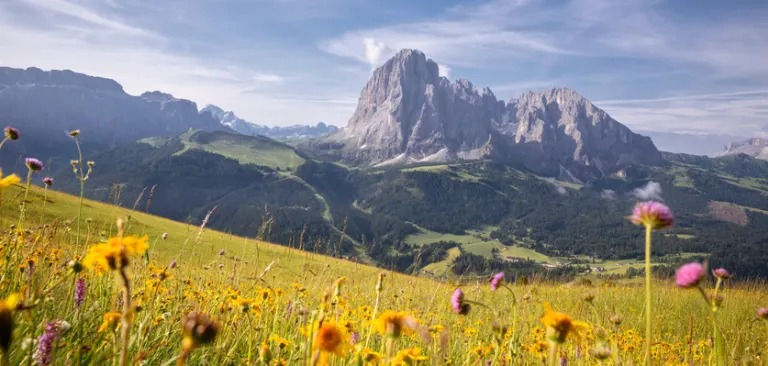
Spring and early summer in the Dolomites are a riot of colour. As the snow melts, meadows explode with wildflowers, gentians, edelweiss, alpine poppies, and more than 800 species in places like Alpe di Siusi. The air is alive with the hum of bees, the call of marmots, and the distant clang of cowbells. Forests of larch and pine give way to open pastures, while turquoise lakes like Braies and Carezza mirror the sky.
Wildlife is abundant: chamois and ibex graze on high slopes, golden eagles soar overhead, and, with luck, you might spot a fox or even a shy deer at dawn. The Dolomites’ unique light, soft and golden in the morning, fiery at dusk, makes every walk feel cinematic, especially during the magical enrosadira.
Awaken your senses
Meadows like this explode with colour, attracting hikers, botanists, and photographers.
Iconic Trails and Routes
The Dolomites offer walking for every level, from gentle valley strolls to challenging multi-day treks. Some highlights include:
Alta Via 1: The classic hut-to-hut trek, running 120 km from Lago di Braies to Belluno, taking in dramatic peaks, lush meadows, and welcoming rifugi. Typically completed in 7–12 days, it’s accessible to fit walkers and requires no technical climbing.
Tre Cime di Lavaredo Circuit: Perhaps the most iconic day hike in the Dolomites, circling the famous “Three Peaks” with breath-taking views at every turn.
Alpe di Siusi: Europe’s largest high-altitude meadow, perfect for gentle walks among wildflowers and panoramic views of the Sassolungo and Sella massifs.
Seceda and Val di Funes: Known for their postcard-perfect ridgelines and the picturesque church of San Giovanni, these areas offer both easy and moderate trails with stunning backdrops.
Cinque Torri and Lagazuoi: Walk among dramatic rock towers and explore open-air World War I museums, with options for both short walks and longer traverses.
Many trails are well-marked and can be tailored to your fitness and interests, with cable cars and buses providing access to high starting points.
Rifugi: Mountain Huts and Overnight Options
One of the joys of walking in the Dolomites is the network of rifugi, mountain huts, that offer hearty meals, warm beds, and a convivial atmosphere high above the valleys. Staying in a rifugio is an experience in itself: after a day’s walk, you’ll share stories over polenta and local wine, watch the sunset from a terrace, and fall asleep to the hush of the mountains.
Rifugi range from rustic to surprisingly comfortable, with options for dormitories or private rooms. Most offer half-board (dinner and breakfast), and many are family-run, preserving local traditions. Booking ahead is essential in summer, especially on popular routes like the Alta Via 1. For those seeking more comfort, village based hotels and boutique lodges are plentiful in towns like Ortisei, Cortina d’Ampezzo, and Corvara.
Local Cuisine and Culinary Experiences
The Dolomites are a paradise for food lovers. Here, Italian flair meets Austrian heartiness and Ladin tradition. Typical dishes include:
Speck: The region’s signature cured and smoked ham, perfect with local rye bread.
Canederli (Knödel): Bread dumplings, often with speck (smoked ham) or spinach, served in broth or with melted butter.
Polenta: Creamy cornmeal, often paired with venison, mushrooms, or cheese.
Schlutzkrapfen: Half-moon ravioli filled with spinach and ricotta.
Apple strudel: A sweet finale, sometimes with a dollop of cream.
Trento DOC: Sparkling wine from the Trentino vineyards, ideal for an aperitif.

Many rifugi serve homemade cakes, hearty stews, and local cheeses

Food is not just sustenance here, it’s a celebration of place and season.

The valleys boast Michelin-starred restaurants and cosy taverns.
Cultural Highlights and Ladin Heritage
The Dolomites are home to the Ladin people, whose language and traditions predate both Italian and German influences. You’ll encounter Ladin place names, folklore, and festivals, colourful carnivals, summer sagre (village fairs), and the Gran Festa da d’Istà in Val di Fassa. Woodcarving, mask-making, and silver filigree are cherished crafts, and tiny chapels dot the landscape, offering moments of reflection and history.
Don’t miss the open-air museums of the First World War, especially around Lagazuoi and Cinque Torri, where restored trenches and tunnels tell the story of a conflict that shaped the region. The Dolomites’ cultural tapestry is rich and welcoming, inviting visitors to become part of its ongoing story.
Practical Travel Information: Seasons, Weather, and Packing
Best Seasons and Weather
The walking season in the Italian mountains runs from late June to late September, with spring (May–June) offering wildflowers and quieter trails, and summer (July–August) bringing warm days and lively mountain life. September is a favourite for many: the crowds thin, the air is crisp, and the light is golden.
Spring (late May–June): Snow melts, meadows bloom, some high trails may still have snow patches.
Summer (July–August): All trails and rifugi are open, temperatures are pleasant (15–25°C), but popular spots can be busy.
Early Autumn (September): Stable weather, fewer people, larch forests turn gold.
Weather can change quickly in the mountains, make sure you pack for sun, rain, and cool evenings. Afternoon thunderstorms are common in summer, so early starts are recommended.
What to Pack
For a comfortable and safe walking holiday, bring:
Sturdy, broken-in walking boots
Lightweight, moisture-wicking clothing (layers are key)
Waterproof jacket and trousers
Warm fleece or down jacket for evenings
Sunhat, sunglasses, and sunscreen
Reusable water bottle (tap water is generally safe, but check at rifugi)
Small first aid kit and blister plasters
Trekking poles (optional but helpful on steep descents)
Sleeping bag liner (required in most rifugi)
Cash (many huts do not accept cards)
Headlamp or torch for hut stays
Snacks. Light weight, stored in airtight containers or bags. This is especially important if you have a specific dietary need or allergy.
If you’re staying in rifugi, pack light, most walks require carrying your own gear, though some guided tours offer luggage transfers.
Access, Transport, and Logistics
The Dolomites are well-connected by road and rail, though a car offers the most flexibility for exploring multiple valleys. Closest airports include Venice Marco Polo, Verona, Innsbruck, and Bolzano. From these, trains and buses connect to gateway towns like Bolzano, Bressanone, Cortina d’Ampezzo, and Dobbiaco.
Public transport within the Dolomites is efficient in summer, with buses linking villages, trailheads, and cable cars. Many popular walks can be accessed without a car, and shuttle services run to hotspots like Tre Cime and Lago di Braies. For hut-to-hut treks, start and end points are often linked by bus or taxi unless on a guided tour.
Safety, Fitness, and Guided vs. Self-Guided Options
Safety and Fitness Levels
Most Dolomite walks are well-marked and maintained, but mountain walking always carries risks. Choose trails suited to your fitness and experience, and check weather forecasts before setting out. Carry a map, know your route, and let someone know your plans. In case of emergency, the mountain rescue number in Italy is 112.
Fitness requirements vary:
Easy walks: Valley paths, meadows, and lakes are more suitable for families and casual walkers.
Moderate walks: Longer days, some ascent/descent, suitable for regular walkers.
Challenging treks: High passes, rocky paths, and multi-day hut-to-hut routes are best for experienced hikers with good fitness.
Some trails include sections of via ferrata, protected climbing routes, with cables and ladders. These require a head for heights and special equipment; guided options are recommended for beginners on these routes.
Guided vs. Self-Guided Walking
Self-guided: Ideal for independent travellers, with detailed maps, route notes, and pre-booked accommodation. Many companies offer luggage transfers and 24/7 support.
Guided: Perfect for those seeking expert knowledge, safety, and camaraderie. Guides share insights into local culture, flora, and history, and handle logistics.
Both options are available for all levels, from gentle day walks to challenging treks. Summit to Sea Travel partners with trusted operators to craft bespoke itineraries, whether you crave solitude or sociability.
Other Notable Mountain Regions for Walking Holidays:
Aosta Valley: Alpine Grandeur and Hidden Gems
Tucked in Italy’s northwest corner, the Aosta Valley is a walker’s paradise framed by the highest peaks in the Alps like Mont Blanc, Monte Rosa, and the Matterhorn. Here, trails wind through larch forests, past tumbling waterfalls, and up to panoramic ridges with views into France and Switzerland.
Trail Highlights
Gran Paradiso National Park: Italy’s oldest national park, home to ibex, chamois, and golden eagles. Walks range from gentle valley strolls (like the Lillaz Waterfalls) to challenging ascents (like the Sella-Herbetet Traverse).
Tour du Mont Blanc: The legendary long-distance trail passes through Courmayeur, offering world-class alpine scenery and welcoming rifugi.
Lago Blu and Valnontey: Family-friendly walks to turquoise lakes and along riverside paths, with wildflowers and glacier views.
The Aosta Valley’s rifugi culture is strong, with huts offering local specialties and a warm welcome. The region’s French and Swiss influences are felt in its cuisine from fondue and polenta to hearty soups.
The Apennines: Wild Ridges and Tuscan Charm
The Apennines run the length of Italy, but some of the most enchanting walking is found in Tuscany’s Apuan Alps and the Garfagnana Valley. Here, limestone peaks rise above chestnut forests and medieval hamlets, offering a quieter, more rustic experience.
Trail Highlights
Pania della Croce and Monte Forato: Classic summits with sweeping views to the Tyrrhenian Sea.
Parco Nazionale Tosco-Emiliano: A UNESCO Biosphere Reserve, with wildflower meadows, ancient beech woods, and the famous “00” footpath along the watershed.
Grotta del Vento: Explore one of Europe’s finest cave systems, or visit the walled city of Lucca for a cultural interlude.
Walking here is about immersion in nature and tradition, picnics by mountain streams, encounters with shepherds, and evenings in family-run farmhouses. The Apennines are perfect for those seeking solitude, authenticity, and a slower pace.
The Julian Alps: Untamed Beauty on the Border
Straddling the Italian-Slovenian border, the Julian Alps are a hidden gem for walkers. Trails lead through Triglav National Park, past glacial lakes, wildflower meadows, and dramatic limestone peaks.
Trail Highlights
Laghi di Fusine: Twin lakes with emerald waters, perfect for gentle walks and photography.
Mount Triglav: Slovenia’s highest peak, accessible via challenging routes from both sides of the border.
Seven Lakes Valley: A classic hut-to-hut trek through pristine alpine landscapes.
The Julian Alps are less crowded than the Dolomites, offering a sense of discovery and adventure. The region’s blend of Italian and Slavic cultures is reflected in its food, language, and hospitality.
Photography: Capturing the Magic
The Italian mountains are a photographer’s dream, especially during the golden hours of sunrise and sunset. The Dolomites’ enrosadira, when the peaks glow pink and orange, is legendary. Wildflower meadows, mirror-like lakes, and dramatic ridgelines offer endless inspiration.
Tips for capturing the best images:
Golden hour: Plan walks to coincide with early morning or late afternoon light.
Foreground interest: Use wildflowers, lakes, or rustic huts to frame your shots.
Long shadows: Early and late in the day, shadows add depth and drama.
Weather: Mist, clouds, and changing light can transform a scene allowing you to embrace the elements.
Don’t forget to put the camera down and simply soak in the view. Sometimes, the most vivid memories are those we carry in our hearts.
Sustainable and Responsible Walking Tourism
Walking holidays are among the most sustainable ways to explore the mountains, but even here, mindful travel matters. Follow 'Leave No Trace' principles: stay on marked trails, take all waste with you, and respect wildlife. Use eco-friendly gear, minimise noise, and support local businesses and guides.
Many regions are working to balance tourism with conservation, especially in sensitive habitats and during peak seasons. Traveling in off-peak months, choosing less-visited trails, and staying in family-run lodges all help preserve the magic of these landscapes for future generations.
Local Guides, Operators, and Boutique Partnerships
Summit to Sea Travel partners with the top walking holiday providers, boutique hotels, and rifugi to ensure authentic, immersive experiences. Our holiday providers are passionate about their home regions, sharing stories, traditions, and hidden gems. Whether you want a private guide for a family adventure, a self-guided package with seamless logistics, or a luxury lodge-to-lodge journey, we can craft each holiday to your dreams.
Your Story Awaits
Spring and summer in the Dolomites, the Aosta Valley, the Apennines, and the Julian Alps offer not just a holiday, but a story, one written with every step, every shared meal, every moment of awe.
At Summit to Sea Travel, we invite you to step into this story. To walk, to wonder, to connect. The mountains are waiting. Are you ready?
Ready to plan your Italian mountain walking holiday? Contact Summit to Sea Travel for bespoke itineraries, expert advice, and a journey you’ll never forget.
Some examples of the Walking Holidays we can book for you:

Hotel Adria
Merano, Italy - Solo Break
Wed 10 Jun 26 - 7 nights
1 adult - Single deluxe room with balcony, B&B
From London Gatwick £1,353pp
Looking for a solo escape that combines breath-taking walks, delicious food, and some well-earned “me time”?
Grand Hotel Plaza
Obergurgl,
6 June 2026 - 7 nights
2 sharing - Half Board
London Gatwick – £1,159pp
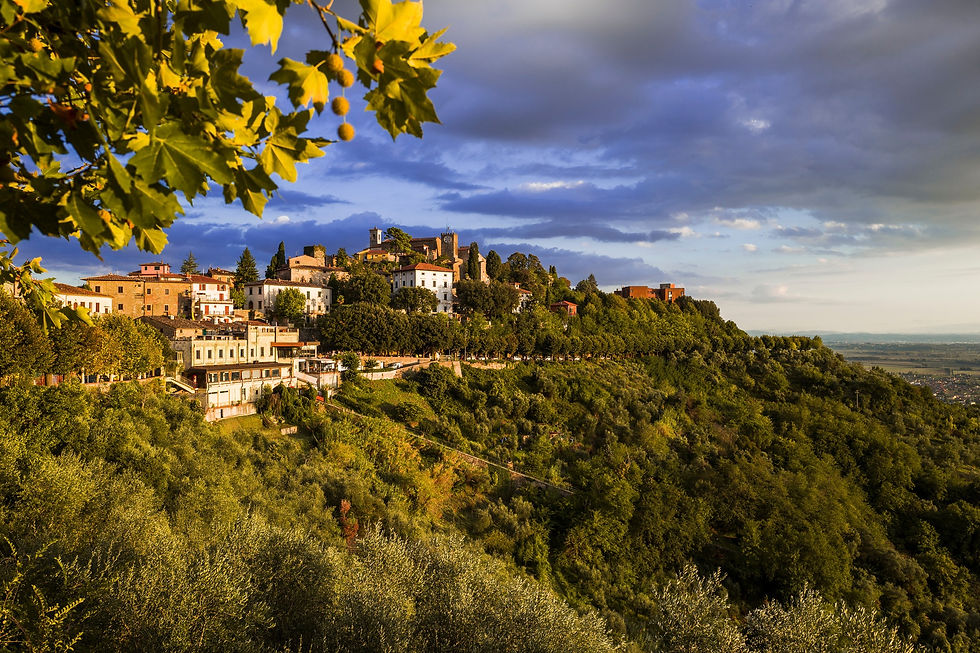
Soak up the charm of Tuscany on a relaxing walking break in beautiful Montecatini. Wander through historic streets, unwind in thermal spas, and enjoy easy access to some of Italy’s most iconic cities.
Contact us to book your walking adventure for 2026 and now booking for 2027
Comments